
Industrial container recycling and reconditioning is an essential practice for businesses to manage industrial waste responsibly and extend the life of containers like IBC totes, steel drums, and plastic containers. Industrial operations rely on a constant flow of containers—steel and plastic drums, IBC totes, and other bulk packaging—to move and store chemicals, oils, food ingredients, and countless other materials. Managing those containers at the end of each use is both an environmental and financial challenge. That’s where specialized service providers such as Kelly Drum come in, offering IBC tote recycling, industrial drum services, and comprehensive container reconditioning programs that help businesses manage waste responsibly, cut costs, and extend the life of their industrial packaging. For companies searching online for solutions like drum recycling near me, these services provide a reliable, sustainable answer.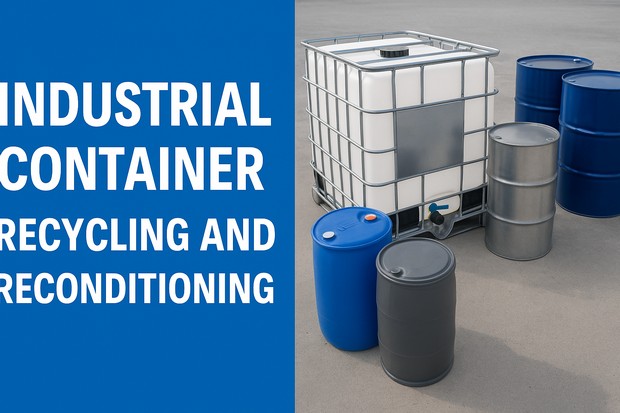
Why Industrial Container Recycling Matters
Industrial containers — like steel drums, plastic (poly) drums, fiber drums, and large IBC totes — are everywhere in manufacturing, chemical plants, and food processing. Industrial container recycling means breaking down old containers into raw materials so they can be used again in new products. When these containers reach the end of their first use, there are generally three paths:
- Reuse / Recondition: Clean, repair, and put them back into service.
- Recycle: Break them down into raw materials (metal, plastic) to be remade.
- Destroy: When they can’t be reused or recycled safely, render them unusable (for example, by shredding).
Reconditioning and recycling help companies shrink their environmental footprint, save money, and comply with regulations.
What Reconditioning Actually Involves
Container reconditioning is the process of cleaning, repairing, and restoring used containers so they can be safely used again. Instead of melting or grinding them down, you keep the container’s shape and structure. Reconditioning isn’t a quick rinse. It’s a structured, multi-step process designed to make a used container safe and reliable again.
Here’s how it usually works:
1. Collection and Inspection
Used containers are picked up or dropped off and immediately inspected for structural integrity. Anything dented beyond repair or contaminated with non-removable residue is set aside for destruction or material recycling.
2. Cleaning and Decontamination
Containers that pass inspection go through thorough washing. This includes high-pressure cleaning, steam treatment, drying, and removing labels or markings from previous uses. For totes or drums that once held hazardous materials, specialized cleaning ensures compliance with environmental rules.
3. Repair and Restoration
If a drum needs a new lid, ring, or gasket, or if a tote needs a new valve or inner bottle, this is where those fixes happen. The goal is to bring each container back to a safe, usable condition.
4. Testing and Certification
Every reconditioned drum or tote must meet strict performance standards. This can include leak testing, pressure testing, or structural checks. Only containers that pass are put back into circulation.
5. Recycling When Reconditioning Isn’t Possible
Containers that can’t be restored are crushed, shredded, or otherwise destroyed. Their metal or plastic components are then recycled as raw materials for new products.
Recycling vs. Reconditioning: What’s the Difference?
Both recycling and reconditioning help reduce waste, but they work in different ways:
Reconditioning
- Reuses the entire container
- Requires less energy than making a new container
- Often offers the lowest overall cost per use
- Best option when containers are still structurally sound
Recycling
- Breaks containers down into raw materials
- Useful when containers are damaged or too contaminated
- Ensures materials (steel, plastic) are not wasted
Advantages of Container Reconditioning
Reconditioning industrial containers such as IBC totes and steel drums provides multiple benefits:
- Extends container lifespan, reducing the need for new purchases
- Minimizes plastic and metal waste, supporting sustainability goals
- Ensures containers meet safety and hygiene standards through professional cleaning and testing
- Helps companies comply with environmental regulations regarding industrial waste
Conclusion
Industrial container recycling and reconditioning turn one-time-use waste into long-term resources. It is a clear win-win. It represents a practical, scalable solution for businesses to enhance their sustainability, control costs, and ensure regulatory compliance. Instead of throwing away drums and totes after a single cycle, companies can restore them, reuse them, or return their materials back into production. It’s practical, cost-effective, and far better for the environment.

Mayedul Islam is a Founder and Editor of Garments Merchandising. He is an Expert in Garments Merchandising. Writing is his passion. He loves to write articles about Apparel, Textile and Garment Washing specially on Merchandising. Mail him at mayedul.islam66@gmail.com