
In the realm of outdoor hospitality and residential landscape design, few elements trigger a psychological and aesthetic response quite like the red tablecloth. While al fresco dining is often defined by the freshness of the air and the quality of the light, the furniture upon which we dine serves as the visual anchor of the experience.
Moving beyond mere decoration, the choice of a red tablecloth is a deliberate design decision rooted in color psychology, historical tradition, and material science. This expert guide explores why this vibrant staple remains the gold standard for outdoor dining and how to utilize it to create unforgettable gathering spaces.
Why Does the Color Red Enhance the Outdoor Dining Experience?
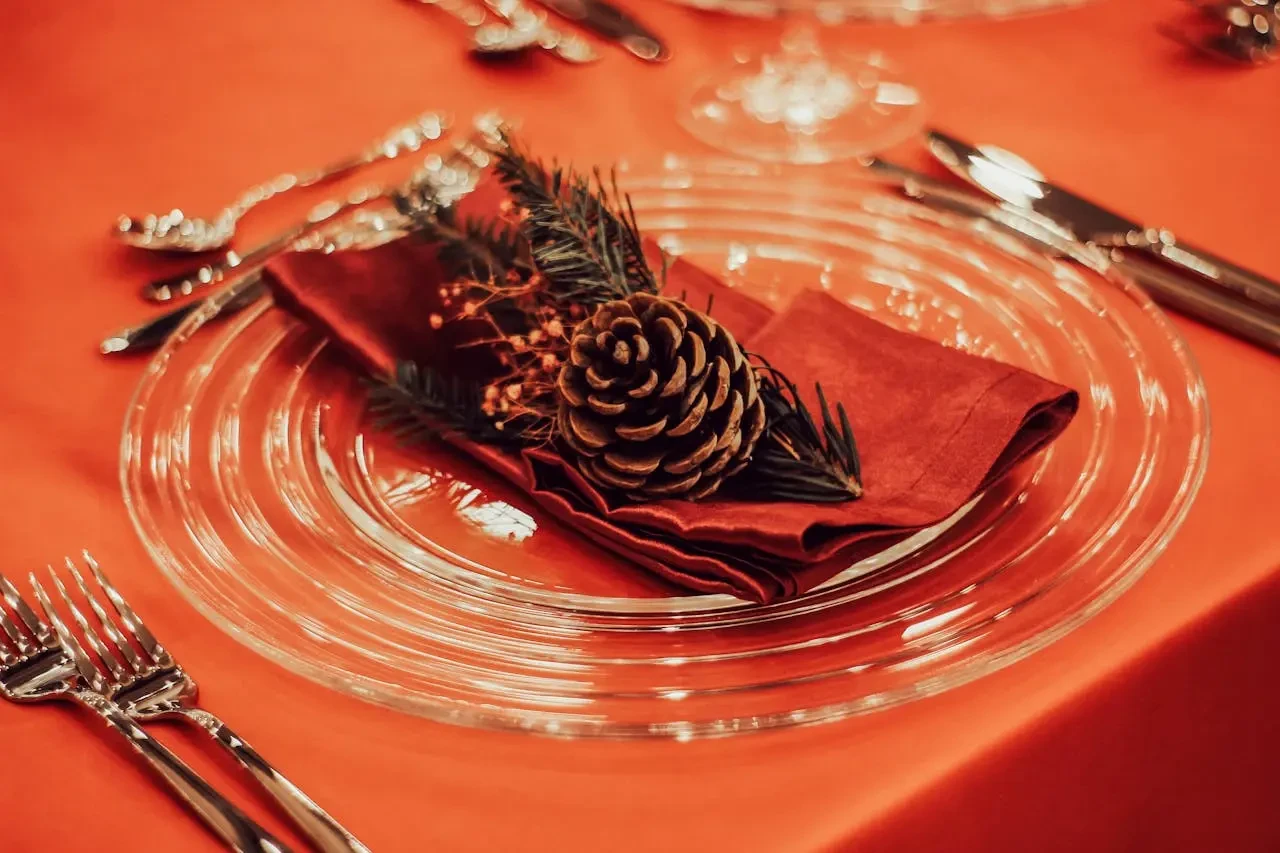
The selection of red for outdoor dining is not arbitrary; it is a strategic application of gastrophysics—the study of how our environment affects how we experience food and drink.
1. Appetite Stimulation and Color Theory
Red is the most visceral color in the spectrum. In nature, it signals ripeness and sweetness (think strawberries or apples). Research into color psychology suggests that red can physically raise heart rates and stimulate the appetite, making it an ideal backdrop for culinary endeavors. This is why the color dominates the branding of major global food chains and fine dining establishments alike.
2. Visual Contrast in Green Spaces
From a design perspective, al fresco dining often takes place against a backdrop of lush greenery, brown earth, or gray stone. Red sits directly opposite green on the color wheel. This complementary relationship creates a high-contrast visual “pop” that draws the eye immediately to the table setting.
- Expert Insight: According to the principles of landscape architecture, a red table cloth acts as a focal point, preventing the dining setup from getting “lost” in a busy garden environment. It creates a defined “room” outdoors without the need for walls.
3. Warmth and Sociability
Outdoor settings can sometimes feel cool or distant. Red is associated with heat, energy, and passion. Psychologically, it warms up a patio, signaling to guests that the space is one of liveliness, conversation, and communal bonding, rather than a cold, sterile eating area.
Reference: For further reading on color psychology in dining environments, refer to The Journal of Environmental Psychology or studies cited by the Institute for Color Science.
What Are the Best Materials for Outdoor Red Tablecloths?
Achieving a high-end aesthetic requires understanding material performance. The “flyweight” charm mentioned in casual dining guides often fails in practical application due to wind and weather. An expert setup balances elegance with durability.
The “Flyweight” Dilemma: How to Handle Wind
One of the biggest challenges in al fresco dining is the wind. A lightweight cloth may look airy, but it creates a nuisance by catching gusts.
Expert Solutions:
- Weighted Hem: Look for tablecloths with hidden weights in the hem.
- Table Clips: Utilize heavy-duty metal clips to secure the cloth to the table frame.
- The Underlay Layer: Place a heavy fleece or rubber-backed table pad underneath the red cloth. This adds friction and weight, preventing slipping and billowing.
How to Style a Red Tablecloth for Professional “Ethereal” Ambiance?
Creating an “ethereal” or magical atmosphere does not require expensive lighting; it requires the correct manipulation of color and texture. When used correctly, a red tablecloth can transform a simple lunch into a celebratory event.
Layering for Depth
A flat expanse of red can be visually overwhelming. To break this up and add sophistication:
- The Runner: Place a natural linen or burlap runner in cream or oatmeal down the center. This softens the red and introduces organic texture.
- Tableware: White ceramic plates provide the crispest contrast against red. Avoid clear glass plates, which can visually clash with the bold color.
- Glassware: Crystal or clear glass works best, as it reflects the outdoor light and picks up the red hue from below, creating a “dancing” light effect.
Lighting for Evening Dining
As mentioned in the Journal of Hospitality Design, lighting dictates the mood of the evening. A red tablecloth absorbs light rather than reflecting it.
- Recommendation: Use pillar candles or warm-toned LED string lights overhead. The warm glow prevents the red from looking too dark or harsh in the evening shadows, maintaining that inviting “glow.”
Reference: For trends in outdoor lighting and ambiance, see resources from the International Association of Lighting Designers (IALD).
The Cultural History: From French Bistros to Italian Trattorias
The romance of the red tablecloth is steeped in European history. It is not just a design choice; it is a cultural signal.
The Bistro Tradition
In the late 19th century, French bistros began using red and white checked tablecloths (often made of thick cotton or oilcloth). The practical reason was twofold: it hid stains from red wine and sauces, and it was durable enough for daily use. Culturally, it signaled a place of casual conviviality—a spot where one could linger without the stiff formality of a restaurant.
The Italian “Sunday Dinner”
In the Italian countryside, the red tablecloth became a symbol of famiglia. The “Enfeebled Spirit” anecdote often refers to the resilience of these traditions; even in times of hardship, the laying out of a red cloth signified that resources were being gathered for a communal meal. It turns a biological necessity (eating) into a ritual of connection.
Reference: The Smithsonian Institution archives contain extensive references to the evolution of café culture in Europe, highlighting the transition from communal tables to individual seating marked by linens.
Expert Checklist: Setting Up the Perfect Al Fresco Red Table
To ensure your next outdoor dining session is a success, follow this comprehensive checklist:
- Assess the Light: Is it high noon or golden hour? High sun makes red pop; twilight requires supplementary lighting to keep the table from looking dark.
- Choose the Right Weight: If it is breezy, swap the light gauze for a medium-weight polyester or use table weights.
- Prepare the Surface: Ensure the table is level and clean. A rough surface underneath can tear delicate fabrics.
- Secure the Perimeter: Use clips or tuck the cloth tightly if using a bench seat.
- Contrast with Greenery: Place pots of herbs (rosemary, basil) on the table. The green of the herbs vibrates against the red cloth.
- Consider the “Underside”: If the table is glass or wire, use an opaque under-layer so the red remains true and solid.
Frequently Asked Questions (FAQ)
Does a red tablecloth make food look better? Yes. Color theory dictates that warm backgrounds enhance the perception of warm-colored foods (breads, meats, tomato sauces). It creates a “cozy” psychological frame for the meal.
Why do restaurants use red tablecloths? Historically, red hides stains (wine, grease) effectively. Psychologically, it encourages turnover by stimulating energy and appetite, though in fine dining, it is used to create a sense of opulence and tradition.
Is red too aggressive for a small outdoor space? Not necessarily. In a small space, a rich red can create a cozy, intimate “nest” feeling. To prevent it from feeling overwhelming, break the color with neutral table runners and plenty of greenery.
How do I get mildew out of an outdoor red tablecloth? For acrylic and polyester, mix a solution of 1 cup white vinegar and 1 gallon of hot water. Scrub the affected area with a soft brush. Avoid bleach, as it can strip the red dye and leave white patches.
What shade of red is best for outdoors? For sunny climates, a bright, true red or a tomato red resists fading better than a deep burgundy or maroon, which may turn purplish under UV exposure.
Conclusion
The red tablecloth is far more than a piece of fabric; it is a tool for experience design. By combining the psychological appetite triggers of the color red with the practical durability of modern performance fabrics, you can elevate any outdoor meal.
Whether you are recreating the charm of a Parisian bistro or hosting a family dinner under the stars, the red tablecloth remains the ultimate symbol of hospitality, warmth, and the joy of dining al fresco. It invites us to slow down, to savor the moment, and to connect with the world—and each other—one meal at a time.
References & Further Reading:
- Color Psychology and Branding – Psychology Today
- The Concept of Bistro: Uncovering the History, Characteristics, and Evolution of a Culinary Institution – TableAndSpoon
- Outdoor Fabric Care and Cleaning – Ideas & Advice – Room & Board

Mayedul Islam is a Founder and Editor of Garments Merchandising. He is an Expert in Garments Merchandising. Writing is his passion. He loves to write articles about Apparel, Textile and Garment Washing specially on Merchandising. Mail him at mayedul.islam66@gmail.com