
Introduction: Welcome to Travel’s Connected Revolution
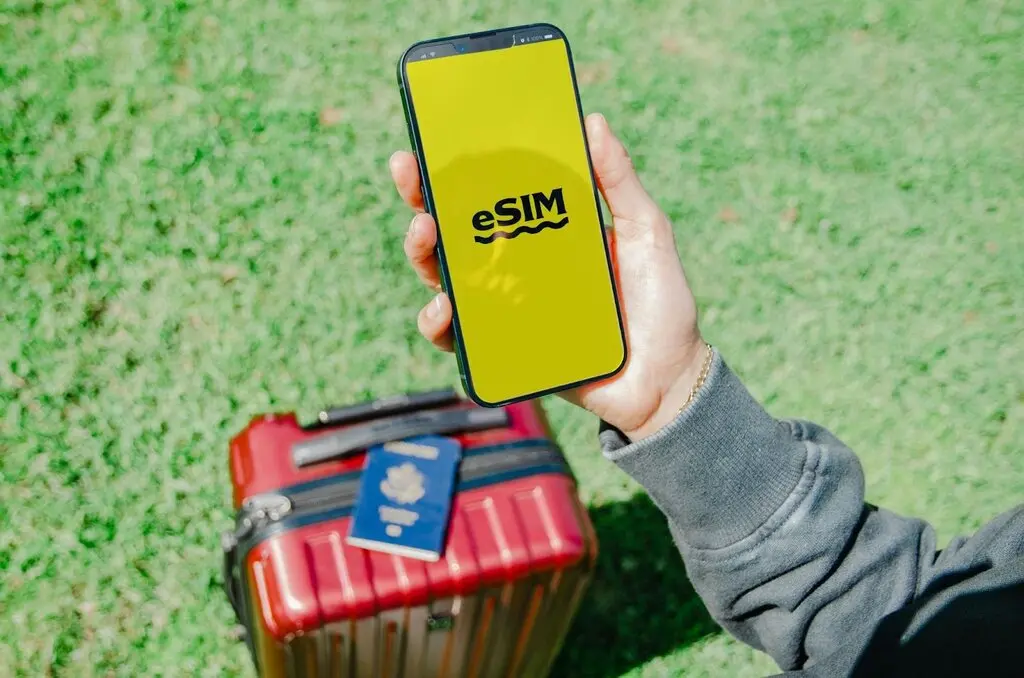
Here’s the thing about travel tech right now: it’s not just getting better. It’s fundamentally changing how you experience the world. The last couple years pushed digital stuff forward faster than anyone saw coming, and 2026? That’s when connected travel tools stop being “nice to have” and become absolutely essential.
Get this: 78% of travelers already say generative AI made planning and booking way better. We’re talking AI assistants running your whole trip, biometric systems ditching passwords completely, and ten breakthrough technologies that honestly feel like sci-fi becoming real life.
Going Fully Digital with eSIM: Ditch the Physical Card Drama
Every smart travel innovation rolling out in 2026 needs one thing to work: solid connectivity. Your AI tools, translation apps, real-time maps none of them function without reliable data.
Physical SIM Cards Are So Yesterday
First, let’s break down how international sim cards work in the traditional sense, because that helps you understand why eSIM is such a massive upgrade. Old-school SIM cards used a physical chip storing your carrier info that you’d manually swap when crossing borders. Remember buying local SIMs at airport kiosks, wrestling with those impossibly tiny trays, and praying you didn’t lose your original card? Yeah, not fun.
People always ask how a sim card works for international travel, and with the old system, your phone basically hitched rides on foreign networks through roaming deals that usually cost you an arm and a leg. Smart travelers discovered that grabbing an esim for asia or other regional plans solved everything instantly, downloading digital profiles in literal seconds instead of hunting down physical cards at every new airport.
eSIM Just Makes Sense
An international e sim card basically lives inside your phone’s software instead of sitting in a removable tray, letting you load multiple carrier plans and flip between them with a few quick taps in your settings. You can store several profiles and activate whichever one you need.
Still comparing options and wondering how travel sim cards work against modern digital solutions? Physical cards mean store visits, plastic swapping, and managing those ridiculously small chips. Meanwhile, an unlimited data sim gets purchased online and turned on immediately, covering multiple countries without any hassle.
Traditional travel SIMs make you physically swap hardware and track down stores. Modern eSIM providers? Instant activation with support for tons of carriers across dozens of destinations. You’re not locked to one network or desperately searching for WiFi.
The practical perks extend way beyond simple convenience. Your wallet, thanks to traditional roaming, hits around $10 daily, while eSIM plans typically deliver better rates with zero surprise charges. Your phone’s dual-SIM feature means your home number stays live for calls while local data runs through eSIM.
AI Travel Companions That Actually Take Action
Connectivity unlocked, you can finally tap into data-intensive apps that used to be impossible while roaming. The next big shift? AI smart enough to autonomously handle entire trips.
Way Smarter Than Simple Chatbots
Current AI travel assistants do way more than field questions; they actively make decisions and execute tasks for you. These agentic platforms constantly monitor flight costs, automatically rebooking when superior options pop up. Flight canceled? They’re already hunting alternatives and filing compensation claims before you even see the airline’s notification.
This reflects what travelers actually want now. Almost 79% consider flexible cancellation policies “very important” when booking . AI companions deliver real-time flexibility that human agents simply can’t scale.
What This Looks Like Right Now
Dynamic itinerary adjustments happen behind the scenes. Weather threatening your hiking plans? The AI proposes indoor backups and shifts reservations automatically. Budget tracking ensures top deals by monitoring price fluctuations and rebooking when savings beat change fees.
Biometric Everything: Say Goodbye to Passwords and Boarding Passes
Identity verification is getting seriously streamlined. Biometric authentication reshapes your physical journey, making traditional passwords and printed passes feel ancient.
The Real-World Experience
Facial recognition merges with iris scanning and fingerprint tech into one unified system. Walk through airport security, board flights, check into hotels all without fishing out documents. Multiple U.S. airports already run TSA biometric lanes, and international versions are spreading fast.
But What About Your Privacy?
Data protection can’t be ignored. These systems follow regulations like GDPR, and you should know your opt-out options exist. Most don’t actually store raw biometric info; they use encrypted mathematical models that couldn’t recreate your actual face or prints even if someone tried.
Luggage That Thinks for Itself
Biometrics track you through terminals; IoT-powered luggage ensures your stuff stays tracked and protected every step of the way.
Tracking That Goes Beyond Basic
GPS tracking evolved past simple “where’s my bag” features. Today’s smart luggage includes self-weighing sensors, built-in charging ports, and proximity warnings when your bag wanders too far. TSA-approved smart locks? Controlled remotely through your phone.
Wearables Join the Party
Smart accessories embedding payment chips and ID verification are hitting mainstream adoption. Health-tracking wearables monitor altitude and air quality, managing jet lag through actual data about how your body adjusts to new time zones.
Instant Translation: Communication Without Barriers
Smart luggage solved “where’s my stuff,” but language barriers remained travel’s oldest challenge. Neural translation tech tackles that problem in real-time.
Conversational AI That Gets It
Translation via earbuds and AR glasses delivers instant conversation conversion. Point your camera at signs, menus, documents, visual translation preserves formatting and understands context. These systems grasp dialects and cultural subtleties, moving far beyond literal word swaps.
Offline Modes Are Crucial
Remote locations don’t guarantee strong connectivity. Top translation tools function offline, storing language models locally for anywhere access. This proves invaluable in rural areas where connectivity might be spotty despite having an active data plan.
How Travel Agencies Actually Adopt This Stuff
These innovations sound exciting, but implementation requires strategy not just jumping on every shiny new tool.
Focus on Real Problems First
Early adopters using AI-powered pricing engines saw revenue bumps between 3% and 6% in competitive markets. Target areas where technology fixes genuine pain points may be automating repetitive customer questions or smoothing booking confirmations.
Roll out in phases. Test with a limited customer group, collect feedback, refine, then expand. Train your team thoroughly so they understand working alongside AI rather than feeling threatened by it.
Making Systems Work Together
Your tech stack needs seamless connections. API-first architecture lets different platforms share data without manual transfers. Customer education builds trust, explains new features clearly and shows transparency about data usage.
Your Burning Questions About 2026 Travel Tech
Do these technologies function everywhere globally?
Coverage depends on location; some countries restrict biometric systems or limit connectivity. Research destination-specific rules before departing, and keep backup authentication methods for countries with tech restrictions or infrastructure gaps.
How safe is my personal information across these connected platforms?
Modern travel tech employs encryption and distributed storage for protection. Blockchain wallets give you data-sharing control, and biometric systems store mathematical models instead of actual images. That said, use strong passwords and enable two-factor authentication everywhere possible.
Can I just avoid all this new tech if I want?
Most innovations include opt-out alternatives, though the convenience benefits often win over even skeptics. Airlines and hotels usually maintain traditional processes alongside digital options, ensuring accessibility regardless of your tech comfort level.
Wrapping Up: What Travel Tech Really Means
The technologies defining 2026 aren’t eliminating human connection from travel, they’re removing friction that previously pulled focus from authentic experiences. When connectivity, language barriers, and logistics become effortless, you actually get to focus on what counts: discovering new cultures, connecting with people, and building memories.
Agencies adopting these tools thoughtfully position themselves to serve increasingly tech-comfortable customers while preserving the personal touch that makes travel genuinely magical.

Mayedul Islam is a Founder and Editor of Garments Merchandising. He is an Expert in Garments Merchandising. Writing is his passion. He loves to write articles about Apparel, Textile and Garment Washing specially on Merchandising. Mail him at mayedul.islam66@gmail.com