
Buttons, snaps, buckles, eyelets, patches and zipper pullers may be small components, but they have a major effect on a garment’s appearance, function and durability. Before bulk production begins, every trim must meet approved design, technical and performance requirements.
A structured garment trim approval process helps buyers, merchandisers, factories and suppliers resolve problems before they disrupt production. It also creates a reliable reference for quality control
What Is the Garment Trim Approval Process?
The garment trim approval process is the workflow used to develop, review, test and approve trims before bulk production. The buyer or brand defines the requirements, the merchandiser coordinates submissions and approvals, the factory checks compatibility with the garment, and the trim supplier develops the component.
Each submission should be assessed against documented specifications, an approved sample and any required performance or safety criteria. This gives every party the same approval standard and reduces subjective decisions, repeated sampling and costly production changes.
In practice, clear documentation becomes particularly important when a trim moves from the development stage to bulk production. “When designers provide detailed specifications and each approval is properly documented, suppliers can reproduce trims more consistently and reduce discrepancies between the original sample and the final production run,” explains Sana Wong, Head of Design at Frameless Asia Pacific, a garment trim manufacturer.
What Are the Main Stages of the Clothing Trim Approval Workflow?
The clothing trim approval workflow typically begins with defining technical and design requirements, followed by supplier sample development, internal review, testing and revisions. Once the trim meets quality, performance and visual standards, a final sample is signed off. This approved reference is then used to verify bulk production before trims are released for garment manufacturing
Step 1: Trim Requirement Definition
A clear specification covers dimensions, material, colour, finish, and application method. It incorporates branding details such as logos, engraving, embossing, or custom shapes.
Where possible, technical drawings, artwork files, physical references, and Pantone codes are provided—particularly when the trim must match a specific fabric, colour way, or brand standard.
Step 2: Initial Trim Sample Development
The manufacturer produces the initial development sample from the specification. Depending on the trim, this may involve mould development, material sourcing, logo sampling, colour matching or surface finishing.
The supplier may recommend documented changes for production feasibility or performance. This first sample remains a development reference and does not authorise bulk production.
Step 3: Sample Review and Testing
The review covers colour, dimensions, shape, finish, surface quality, and logo reproduction. The trim is applied or attached to the intended production fabric, garment panel, or prototype to assess placement, appearance, and function.
Depending on customer requirements, testing may include holding strength of attached buttons, corrosion or impact resistance, repeated operation, colour fastness and restricted-substance compliance.
Step 4: Feedback Submission and Revision Approval
Feedback should be clear, specific and measurable. Instead of asking for a “better colour” or “smoother finish”, identify the required change using the approved Pantone code, physical reference, agreed tolerance or precise measurement.
Consolidate comments from the buyer, merchandiser, factory and quality team before returning them to the supplier. Repeat sampling until every requirement is approved and recorded.
Step 5: Trim Card Preparation and Sign-Off
A physical trim card, or its controlled digital equivalent, records the approved reference for each garment trim. It normally identifies the approved sample, garment style, colour, size, placement, supplier and approval details.
Trim card sign-off confirms that the displayed component is approved for bulk production and becomes the standard used for receiving inspection and production control.
Step 6: Bulk Trim Inspection and Approval
When bulk trims arrive, the factory should complete an inward quality inspection before production. Inspectors compare the delivery with the signed trim card, approved sample, purchase specification and agreed tolerances.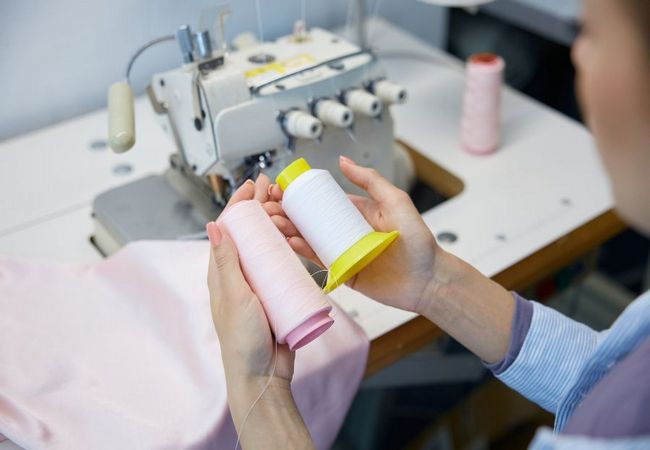
Checks cover colour, dimensions, finish, branding, function, consistency and visible defects. Where applicable, inspection should follow the agreed sampling plan and acceptance quality limit (AQL), with required performance tests completed or supported by valid reports.
Any difference must be corrected, replaced or formally accepted before production. Recording the bulk trim approval decision prevents unapproved substitutions and protects quality, safety and delivery.
What Should Be Included in a Trim Card?
A trim card should contain an approved physical sample of each component and identify the relevant buyer, garment style, season and colourway.
Key details usually include the trim description, supplier, reference or SKU, colour, size, finish, placement, attachment method and approval date. Add the PO number where applicable.
If several sizes or colours are used, label each variation separately and state the required quantity per garment. The signed trim card should be accessible to merchandising, quality and production teams. During bulk inspection, it provides a practical control sample for detecting substitutions, colour variation, finish defects and specification errors.
How Can Merchandisers Avoid Trim Approval Delays?
The most effective way to avoid trim approval delays is to establish complete specifications and clear responsibilities from the outset. Quantities, lead times, tooling requirements, testing standards and approval deadlines should therefore be agreed before sampling begins.
It is also useful to track submissions, comments, revisions, test reports and approval dates in a single document. Consolidating feedback and defining measurable acceptance criteria helps prevent conflicting instructions and unnecessary sampling rounds.
Finally, the production schedule should allow sufficient time for revisions, replacements and incoming inspection. Bulk trims should be inspected and approved before the relevant assembly or trim-application operation begins, helping teams reduce rework and maintain production consistency.
